


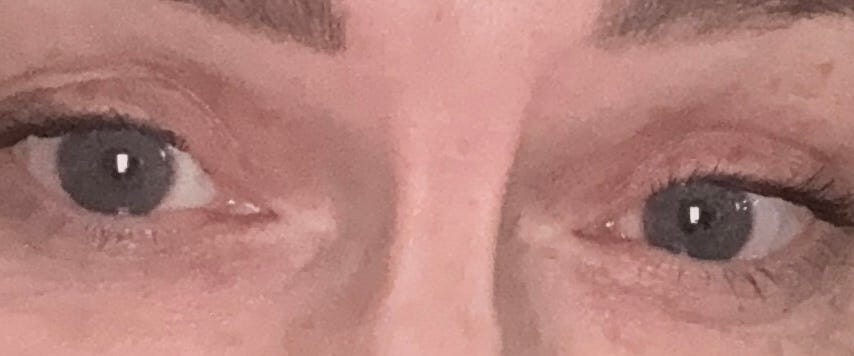
I have gone through hostage training and learned how to endure under extreme pressure and torture scenarios, but nothing prepares me for mornings where his gaze never meets mine. The kitchen chaos, the clanging dishes, the yelling all pale in comparison to the silence between us. Not being seen, not being recognized, feels like its own kind of captivity. What I do next might not be a good strategy, but at this time it is the only option I see.
Cruel Mornings
A typical morning: adults dodge each other in the bathroom while the toilet flushes in a relentless rhythm. We grab bowls and cereal, reaching across each other without apologizing, yelling at the kids to wake up. Black mascara smudges my eyelids, but nobody notices. It smells like coffee and cold milk. My body buzzes with an uncomfortable intensity. I am already halfway down.
Conduct After Capture
This is not only the result of rushed mornings, late pick-ups, unreliable daycare, yelling, and frantic grocery shopping after work — before dinner. It is the lack of intimacy that pushes me over the edge and into the darkness. The torture of being no more than the woman blocking the bathroom mirror or the person hastily shoving shoes onto kids’ feet.
When I worked for the Defense, we trained on how to conduct ourselves if taken hostage. A program called Conduct After Capture. Instructors feed us real cases that make us shift in our seats. Torture is, by definition, horrible. The human mind also has a knack for extending it in more subtle forms. The loneliness inside the wrong partnership is one of them.
Please Meet My Gaze and Kiss Me
Every morning, I study his face, trying to lock onto his brown eyes like a heat-seeking missile, waiting for recognition, for a “we are in this together” smile that only happens when you meet each other fully. It never comes. I am an obstruction, blocking the cupboards with the coffee mugs. At night, I brush his hand in bed, but he remains still and unreachable. I stand in the hallway wanting to hug him, but my arms freeze before I can move.
In Conduct After Capture, we learn never to isolate. To keep talking to other hostages. So I latch on to a fellow hostage I know will keep the secrets I am not spilling to the enemy. We are both caught in frozen marriages. He feels safe, like a pause from the fear of being erased. He becomes a place where I am seen and reflected. Not as a role, a function, or an obstruction but as a person.
We have trained together, once gotten lost in the wilderness with only a map. We share an office for years, along with laughs and inside jokes. Over time, that recognition becomes something I start to depend on. Because at home I am not met, I am not held in gaze, I am not received.
One evening, after a few drinks, we share kisses and eye gazing. I exist, if only for a few hours. It is not romance. It is relief. For a moment, I feel like the center of the world, or at least the bar, where music thumps and people live unapologetically.
I become happier, and the mornings become more bearable. The medicine I got that night covers the wounds. It does not heal them. I smile again. I dance sometimes. One night, under our blue bedsheets, my husband suddenly looks at me for the first time in months. The prism I once saw myself in through his eyes has dulled, like a mirror smeared with grease. The room shrinks. I want to reach for him, but I stay completely still.
The Real Pills
The self-medication of extramarital attention and eye gazing fails, and a real depression settles in. My husband tells me to go to a doctor, where I get medication with real side effects and artificial dopamine. It helps me hang on. It helps me survive mornings filled with clanging bowls and yelling kids, the bathroom collisions, the accidental touches at breakfast, the mascara smudges no one sees.
But survival starts to feel like a narrow room with no windows. Like our bedroom at night. Despite the pills, I start to feel I need more. Like a selfish child I crave more than survival. Maybe the pills create a kind of silence, an empty space where something else can grow.
A desire for a home where silence does not come with fear. Where eye contact is a basic human right. Where mornings are not miniature war zones. Where I can drink my coffee without bracing for impact.
And still, every morning, I stand in the kitchen with my coffee in my hand.
He moves around me.
We do not touch.
This hits like a quiet thunderstorm—subtle, but devastating. The contrast between surviving physical extremes and being undone by emotional neglect is so powerful. That silence speaks volumes. I'm deeply moved and can’t wait to read how you held on.